Navigating the intricate web of infrastructure beneath our feet can be daunting, especially when dealing with sewer lines. Understanding where these essential components are located is crucial for homeowners and property developers alike. Whether you're planning an excavation, landscaping, or simply want to know more about your property, this guide will offer you essential insights into finding and understanding sewer line locations, including when sewer lining may be needed.
How Sewer Lines Are Positioned Underground
Generally, sewer lines connect your home to the municipality’s main sewer system. They are vital for transporting wastewater away from your home. According to This Old House, sewer lines are typically located two to six feet below the ground, but colder climates require deeper pipes to prevent freezing. This standard depth protects them from surface activities and ensures efficient drainage, making it less likely for them to get damaged during standard ground-digging activities or require premature sewer lining.
Using Cleanouts and Local Records to Locate Lines
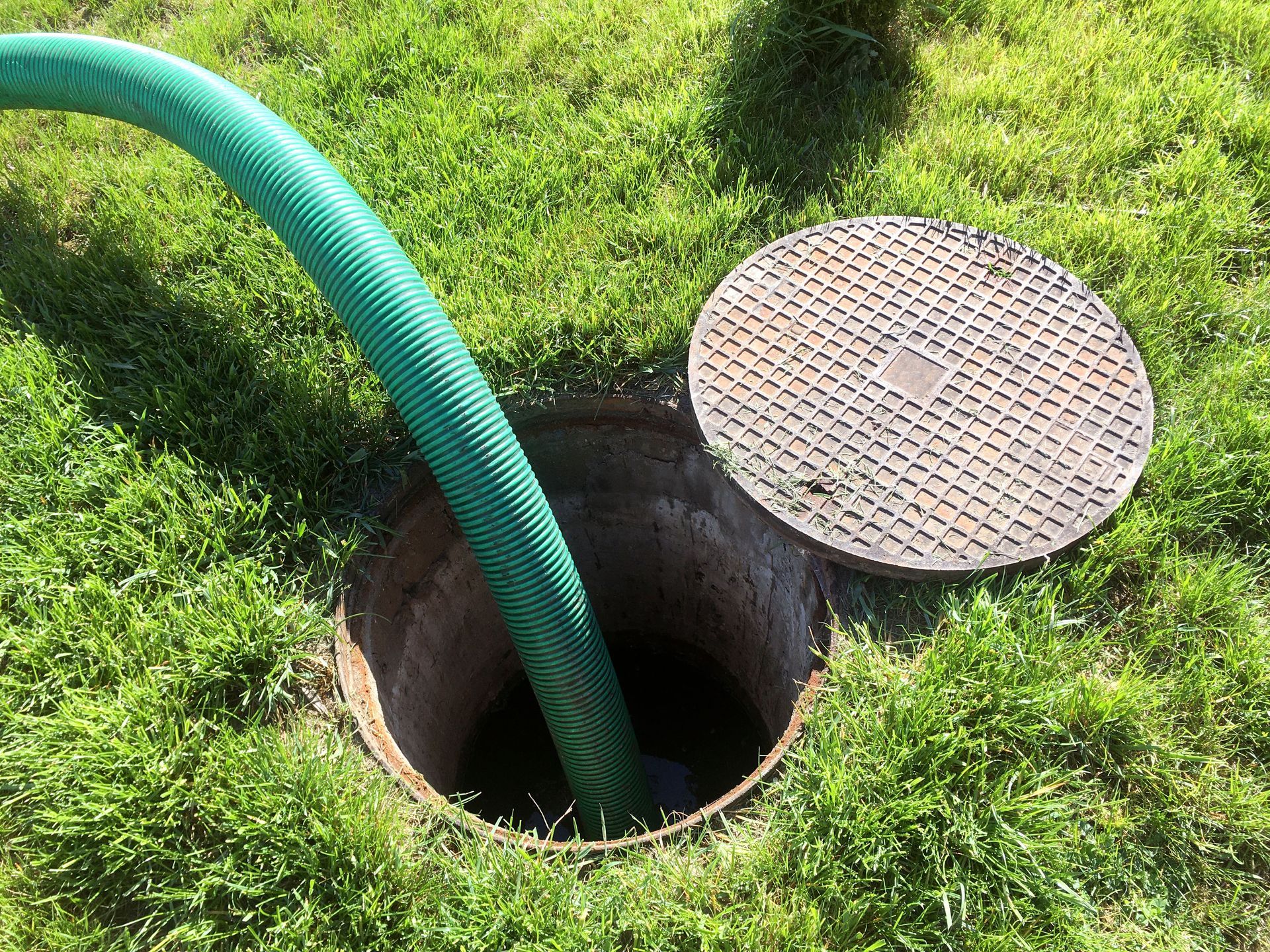
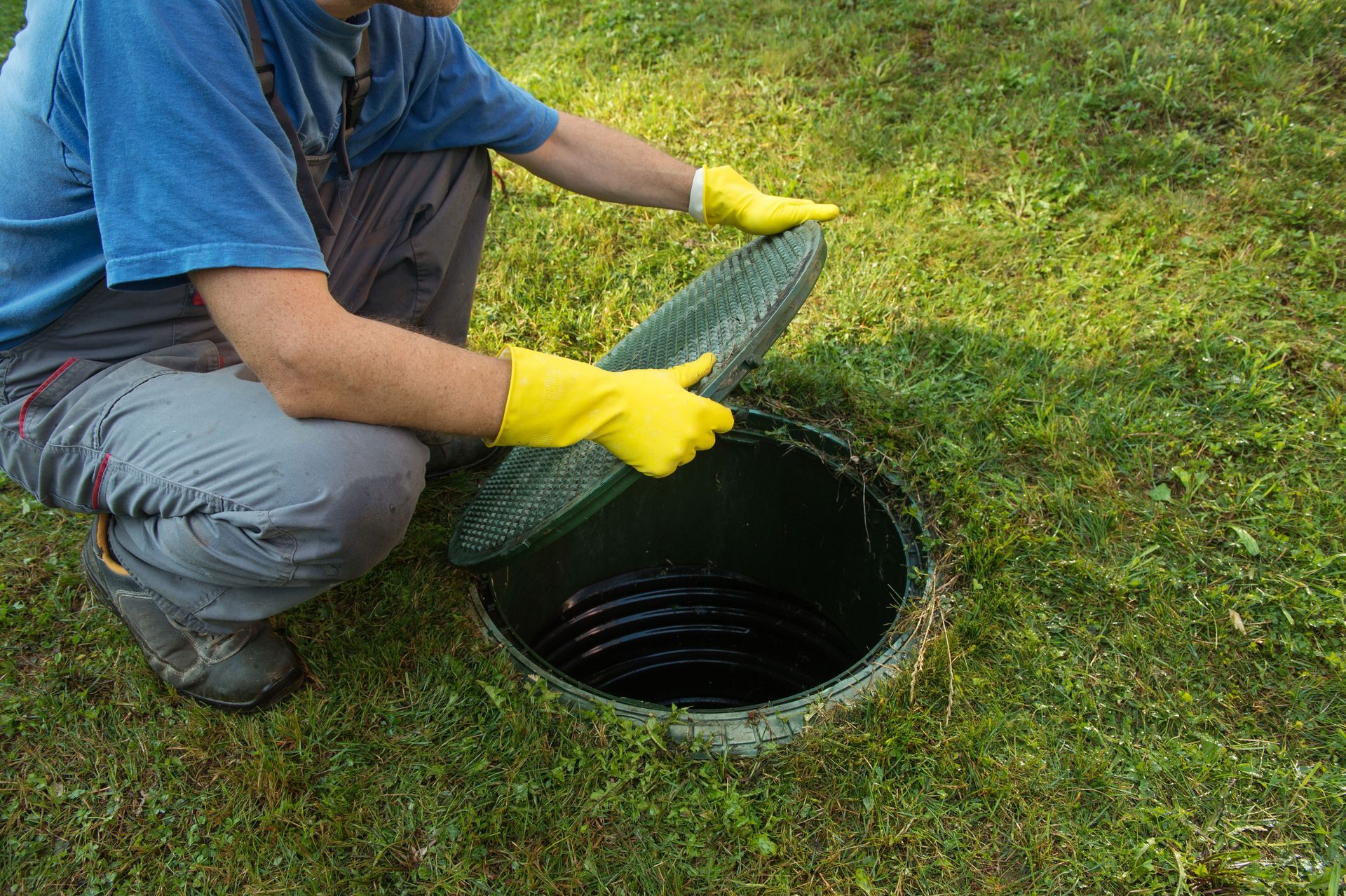
Many homes have sewer cleanouts that can serve as a starting point for locating your sewer lines. A sewer cleanout is typically a white or black cap visible near your property’s foundation or in the yard. From this point, sewer lines typically run in a straight line towards the street or municipal main sewer. In more urban areas, local records or municipal plans may offer detailed drawings marking these lines, making it easier for homeowners to identify their exact path before considering sewer lining as a repair solution.
When to Contact a Professional for Assistance
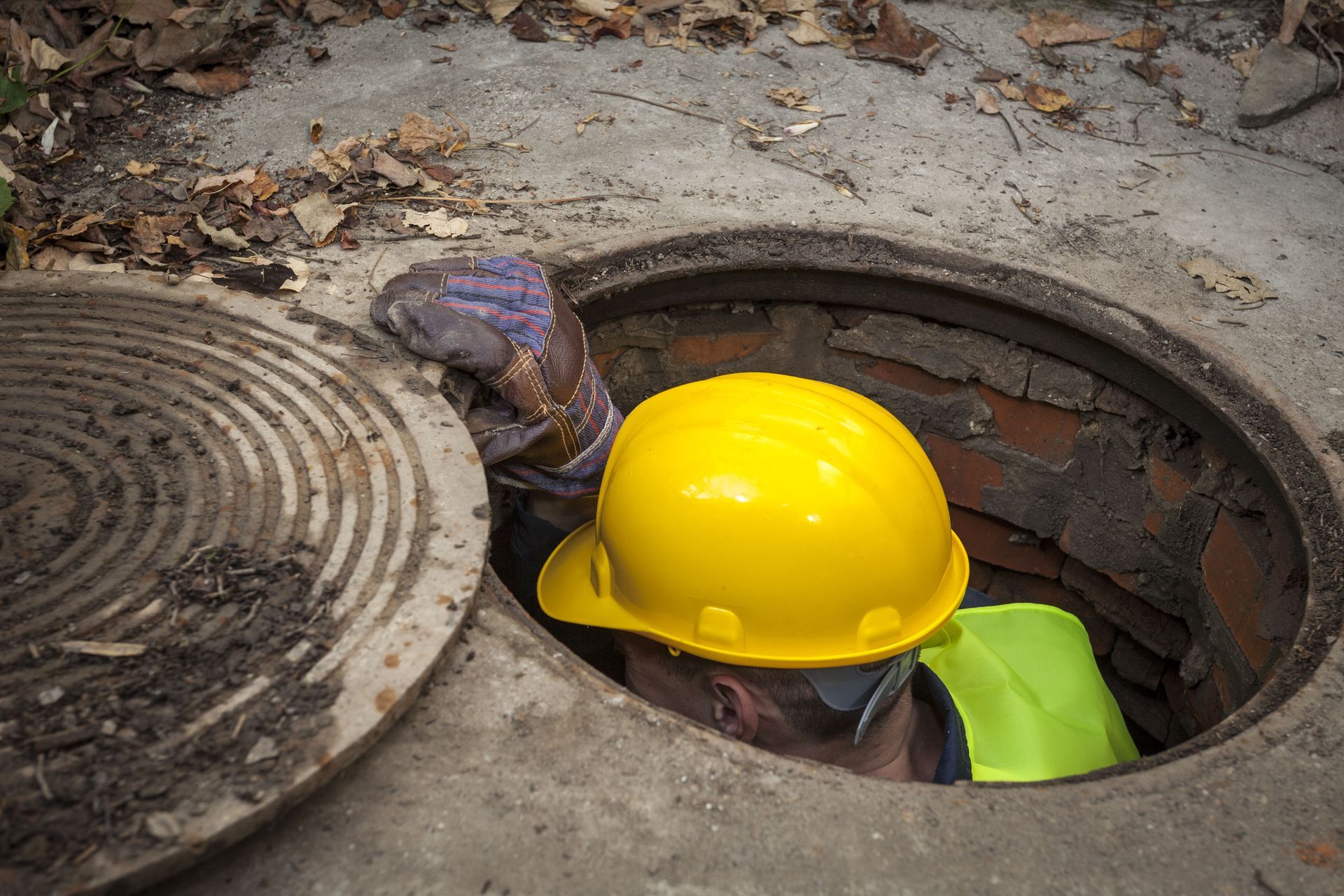
It is crucial to consider professional help if you're uncertain about the locations of sewer lines. Engaging with a plumber or a professional utility locator can prevent mishaps and ensure your projects run smoothly. Inadvertent damage to these lines can lead to costly repairs or environmental hazards. Mapping the sewer line accurately can be crucial, particularly if landscaping or major ground disturbance activities are planned, ensuring that pipes are not compromised during your work or require emergency sewer lining.
Understanding where your sewer lines are located is both a practical and necessary part of property ownership. While do-it-yourself approaches can provide a preliminary idea, nothing beats the assurance of professional verification. By knowing the depth and direction of these critical structures, you can prevent potential problems and ensure that your property operations proceed without a hitch. In need of new
sewer lining? Contact Superior Sewer Co.